نظرة عامة على عملية غسيل زجاجات PET
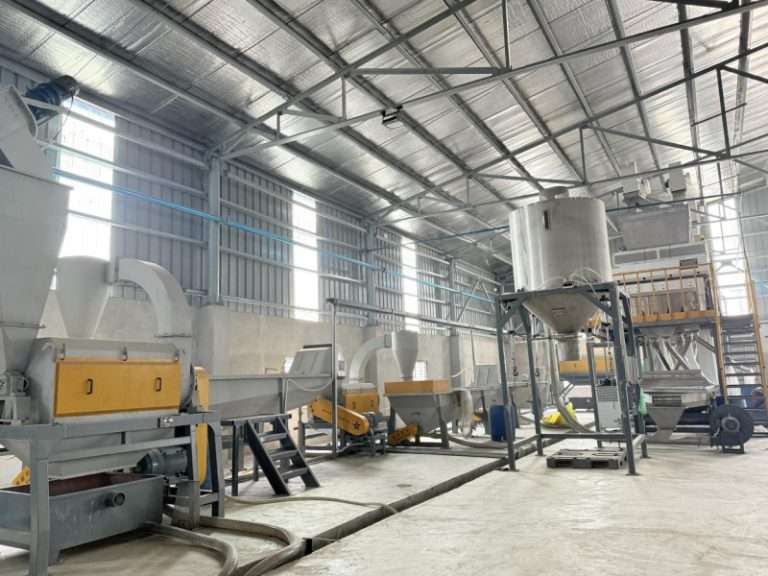
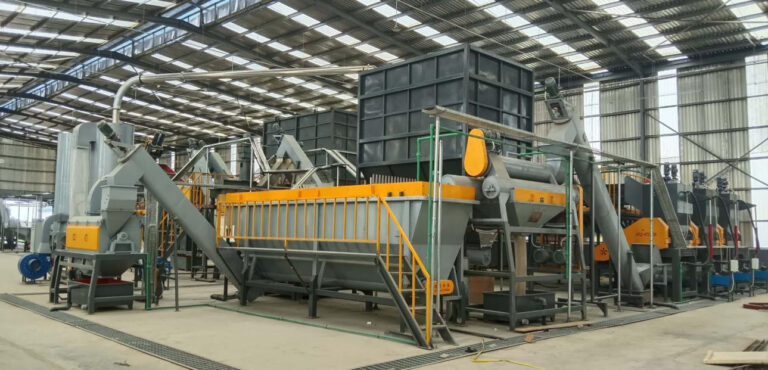
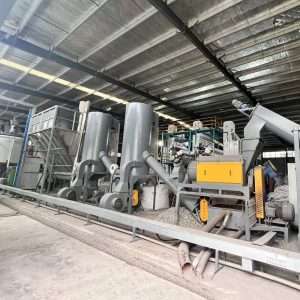
إن خط غسيل زجاجات PET هو نظام إنتاج كامل مصمم لإزالة الملوثات مثل الملصقات والمواد اللاصقة (الغراء) والأوساخ والزيوت والسوائل المتبقية من زجاجات PET بعد الاستهلاك. الناتج النهائي هو رقائق البولي إيثيلين تيرفثالات البولي إيثيلين تيرفثالات النظيفة ذات النقاء العالي.
- التجميع والفرز
قبل دخول خط الماكينة، عادةً ما يتم فرز الزجاجات حسب اللون والنوع.
الفرز اليدوي أو البصري: يضمن إزالة المواد غير PET (مثل PVC أو PP).
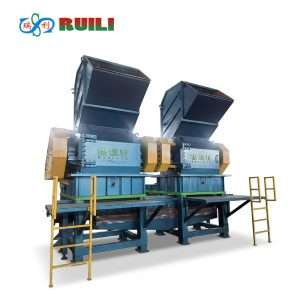
كسر البالات: في حالة وصول الزجاجات في بالات مضغوطة، يتم استخدام كسارة البالات لفصلها إلى زجاجات فردية.
- الغسيل المسبق وإزالة الملصقات
النقل: يتم تغذية الزجاجات على حزام ناقل.
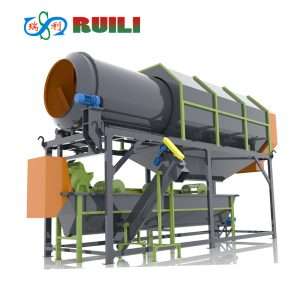
إزالة الملصقات: تبدأ العديد من الخطوط بماكينة إزالة الملصقات الجافة (غسالة الاحتكاك) التي تزيل الملصقات السائبة قبل أن تتبلل الزجاجات.
النقع المسبق: تدخل الزجاجات إلى خزان الغسيل المسبق (خزان النقع) حيث يتم غمرها في الماء (أحيانًا مع الصودا الكاوية) لتخفيف الأوساخ والأوساخ الثقيلة.
- التكسير/الطحن
كسارة رطبة: يتم تغذية الزجاجات في كسارة (محبب) أثناء رشها بالماء.
الوظيفة: يعمل هذا على سحق الزجاجات إلى قطع صغيرة (رقائق)، يتراوح حجمها عادةً بين 10 مم و16 مم. يساعد رذاذ الماء على التخلص من الأوساخ السائبة ويمنع ارتفاع درجة حرارة المادة.
- غسيل عالي الاحتكاك عالي السرعة
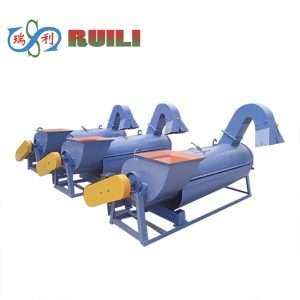
غسالة الاحتكاك: تدخل الرقائق المسحوقة في غسالة احتكاك عالية السرعة.
الآلية: يخلق الدوار الدوار احتكاكًا قويًا بين الرقائق. وهذا يزيل الملصقات العنيدة والصمغ والملوثات السطحية.
الفصل: تغرق الشوائب الثقيلة (مثل الأحجار أو المعادن)، بينما تتحرك الرقائق النظيفة إلى الأمام.
- الفصل العائم والغارق
الخزان العائم (الخزان العائم - الغاطس): هذه خطوة حاسمة. يتم إسقاط الرقائق في خزان ماء.
المبدأ:
يتميز PET بكثافة أعلى من الماء، لذا فهو يغرق.
يتميز PP/PE (الأغطية والحلقات) بكثافة أقل، لذا فهي تطفو.
النتيجة: يؤدي ذلك إلى فصل رقائق البولي إيثيلين تيريفثاليت بفعالية عن أغطية الزجاجات والحلقات.
- الغسيل الساخن والتنظيف الكيميائي
غسالة ساخنة: تخضع رقائق البولي إيثيلين تيريفثاليت (PET) لغسيل ساخن (عادةً عند درجة حرارة 60 درجة مئوية - 80 درجة مئوية).
المواد الكيميائية: تُضاف الصودا الكاوية (NaOH) أو المنظفات الأخرى لإزالة الزيوت والشحوم والمواد اللاصقة المتبقية.
التسخين بالبخار: غالبًا ما يتم حقن البخار للحفاظ على درجة الحرارة المطلوبة للتنظيف الفعال.
- الشطف
الشطف بالماء العذب: تمر الرقائق من خلال خزان شطف بمياه نظيفة ودائرية لغسل أي مواد كيميائية متبقية وبقايا الصابون.
التحكم في الأس الهيدروجيني: الهدف هو ضمان أن تكون الرقائق متعادلة (الرقم الهيدروجيني 7) قبل التجفيف.
- نزح المياه والتجفيف
العصر: تمر الرقائق الرطبة من خلال آلة نزح المياه اللولبية (الطرد المركزي) لإزالة الجزء الأكبر من المياه السطحية.
التجفيف بالهواء الساخن: وأخيرًا، تدخل الرقائق في نظام تجفيف بالهواء الساخن (مجفف دوار). يتم تدوير الهواء الساخن لتقليل محتوى الرطوبة إلى مستوى منخفض للغاية (عادةً أقل من 1%).
- فرز الألوان والبوليمرات و التعبئة
الصومعة أو التعبئة في أكياس: يتم تخزين رقائق PET النظيفة والجافة في صومعة أو تعبئتها في أكياس كبيرة (أكياس ضخمة) لشحنها إلى مصنعي ألياف البوليستر أو الألواح.
تطبيق رقائق الحيوانات الأليفة:
تُعد رقائق PET، وخاصةً رقائق PET المعاد تدويرها (rPET)، مواد خام متعددة الاستخدامات تُستخدم في مجموعة كبيرة من الصناعات لتصنيع مختلف المنتجات النهائية. ويتحدد استخدامها إلى حد كبير من خلال جودة الرقائق ونقائها ولونها.
فيما يلي مقدمة عن الصناعات الرئيسية والمنتجات المصنوعة من رقائق البولي إيثيلين تيريفثاليت.
الصناعات التطبيقية الرئيسية والمنتجات النهائية
- صناعة المنسوجات والألياف
هذه هي أكبر سوق لرقائق البولي إيثيلين تيرفثالات البولي إيثيلين تيرفثالات المعاد تدويرها. يتم صهر الرقائق وغزلها في ألياف البوليستر.
ألياف البوليستر الأساسية (PSF): هذا هو التطبيق السائد. وتستخدم الألياف في صنع:
الملابس: السترات الصوفية، والقمصان، والملابس الرياضية، والمعاطف الشتوية العازلة.
المنسوجات المنزلية: السجاد والبسط والستائر وأقمشة التنجيد.
الحشوات: حشوات الوسائد وأكياس النوم واللحف والألحفة والألعاب اللينة.
خيوط خيوط البوليستر: تطبيق صغير ولكنه هام، يستخدم لإنتاج الأقمشة والسحابات ومكونات النسيج الأخرى.
- صناعة التعبئة والتغليف
يستخدم هذا القطاع رقائق البولي إيثيلين تيرفثالات البولي إيثيلين تيرفثالات عالية الجودة والنظيفة والشفافة في كثير من الأحيان لإنشاء حلول تغليف جديدة.
الصفائح والتشكيل الحراري: يتم بثق رقائق البولي إيثيلين تيريفثاليت في صفائح صلبة يتم تسخينها بعد ذلك وتشكيلها في أشكال محددة.
الأوعية الصدفية: حاويات شفافة للسلطات والفواكه والسندويشات.
الصواني: للمنتجات الطازجة واللحوم والمخبوزات.
عبوات نفطة: لتغليف الإلكترونيات الصغيرة والبطاريات والمستحضرات الصيدلانية.
إعادة التدوير من زجاجة إلى زجاجة (B2B): هذا هو التطبيق الأكثر تقدمًا، ويمثل اقتصادًا دائريًا حقيقيًا. تُستخدم رقائق rPET عالية النقاء من الدرجة الغذائية لتصنيع زجاجات جديدة من أجل:
مشروبات (ماء، مشروبات غازية)
حاويات الطعام
- الصناعة وصناعة السيارات
تُستخدم رقائق PET لإنتاج مكونات قوية ومتينة لمختلف التطبيقات الصناعية.
الأشرطة: يتم بثق رقائق البولي إيثيلين تيرفثالات PET، خاصة الخضراء منها، في أشرطة بلاستيكية قوية. وهي بديل خفيف الوزن وآمن للأشرطة الفولاذية لتأمين المنصات والحمولات الثقيلة.
قطع غيار السيارات: يُستخدم البولي إيثيلين تيرفثالات البولي إيثيلين تيرفثالات المعاد تدويره لتصنيع مكونات السيارات المختلفة، مثل:
أجزاء الزخرفة الداخلية والخارجية
مواد العزل
لباد لبطانات السيارات.